


Another weekend, another deal. Or, at least, that seems to be the pattern. The pattern works well for markets. But, there is a problem emerging. Oil seems to have begun caring less and less about the potential peace proclamations. Instead of plummeting (like it did on the signing of the original MoU), oil prices have been moving in a more tempered manner to the rumors and statements regarding the end of hostilities in the Middle East.
This might not sound like all that big of a deal. And – indeed – it has not been for markets. Yet. There will come a time when it does become a problem though. Oil markets could become rather tight without sufficient flow through the Strait of Hormuz. Not that the traffic needs to be a pre-conflict levels. It does not due to immense rerouting of products by large producers. But, there does need to be additional transits to meet market needs over time. Otherwise, markets could face increasing tightness, and higher and stickier energy prices.
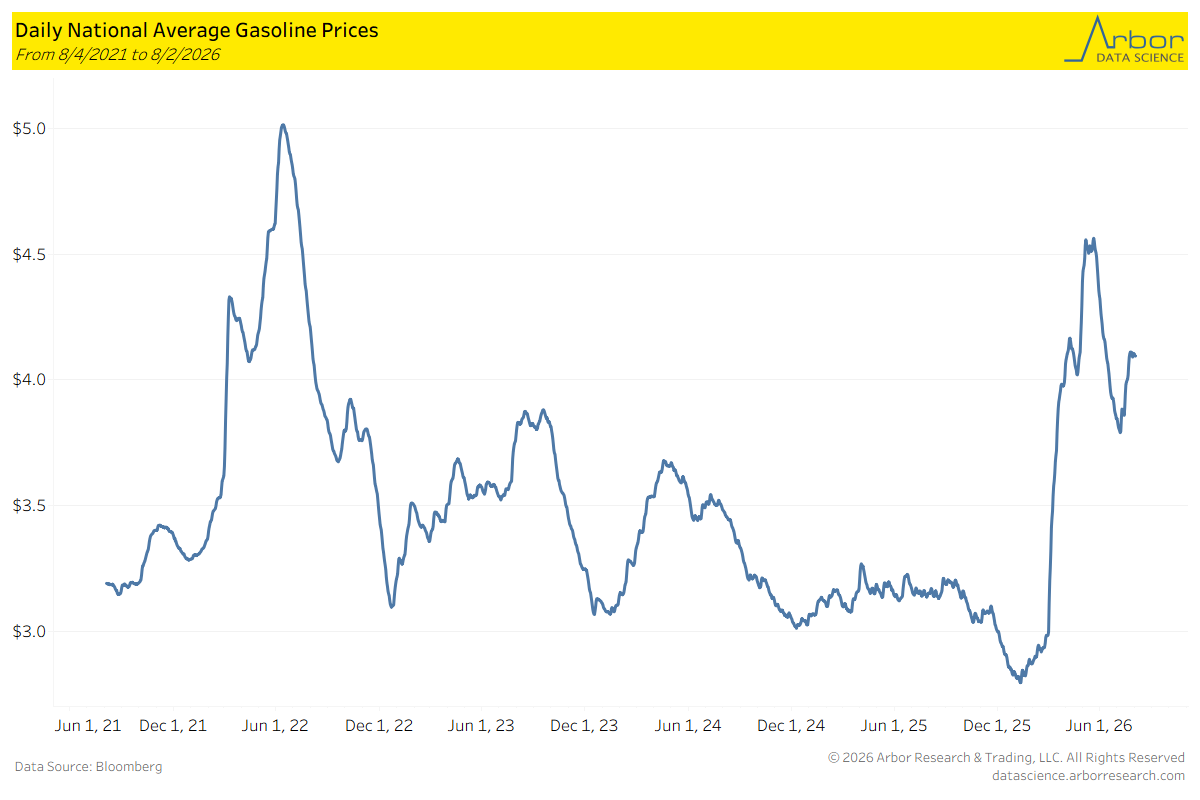
Some of this is already being felt. Gasoline prices rose sharply as the conflict escalated, but only dipped a bit following the MoU. In part, this is due to refining constraints. It is also due to refiners having to push through that higher cost oil and pass those costs on. That means prices at the pump remain elevated, and the consumer is feeling the progressive pricing pain.
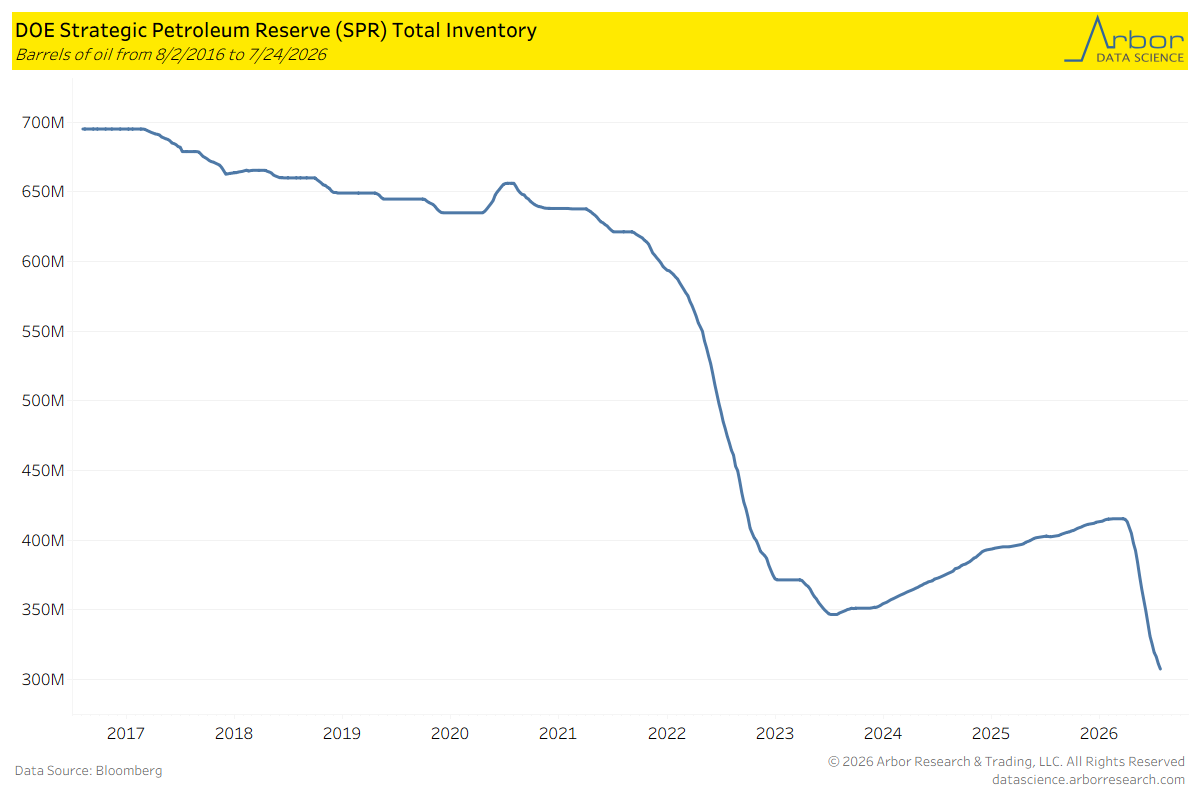
One of the mechanisms for containing the oil price increases has been the Strategic Petroleum Reserve (SPR). The SPR has been pumping oil out of the caverns at a rather rapid rate. Which makes sense (to a degree) as the entire purpose of the SPR was to smooth over disruptions in energy supply. That becomes problematic at some point. Yes, there is still oil in the caverns. But, not all that much. It is getting to the point where barrels from the SPR are not going to be an important stabilizing mechanism for markets (and maybe the other way around as it is slowly refilled).
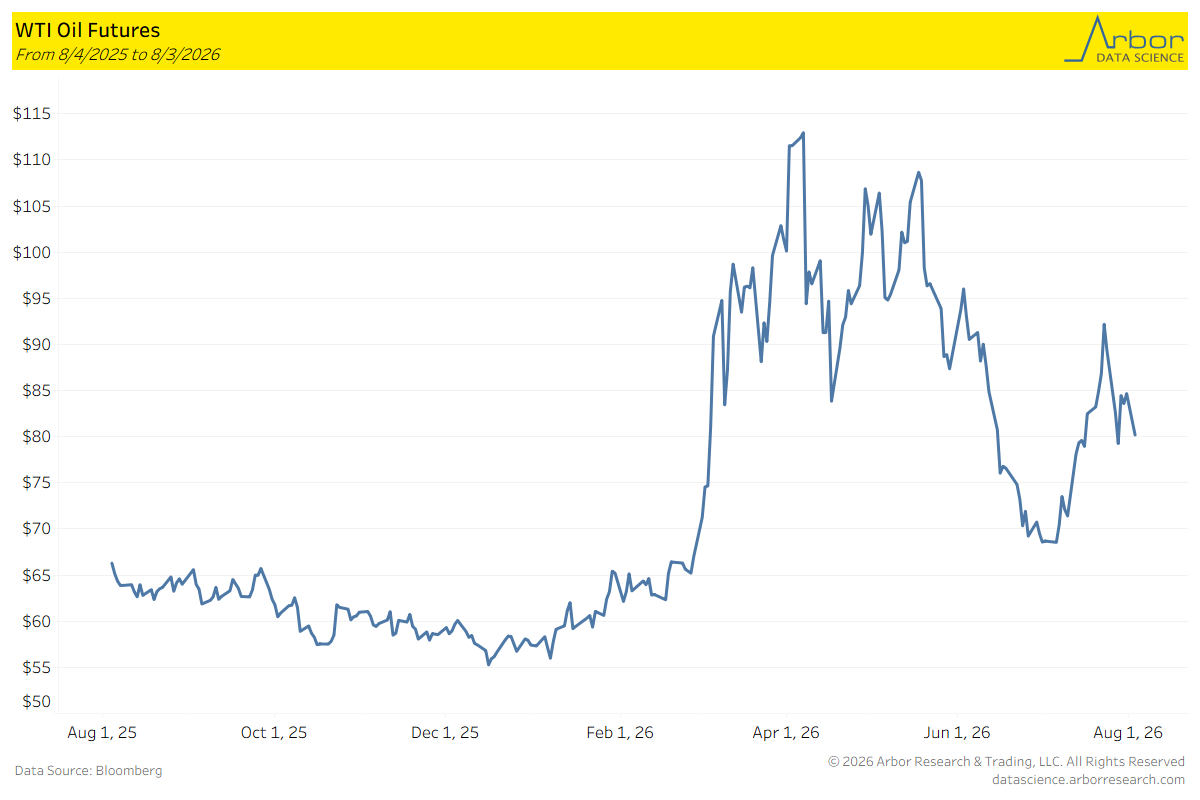
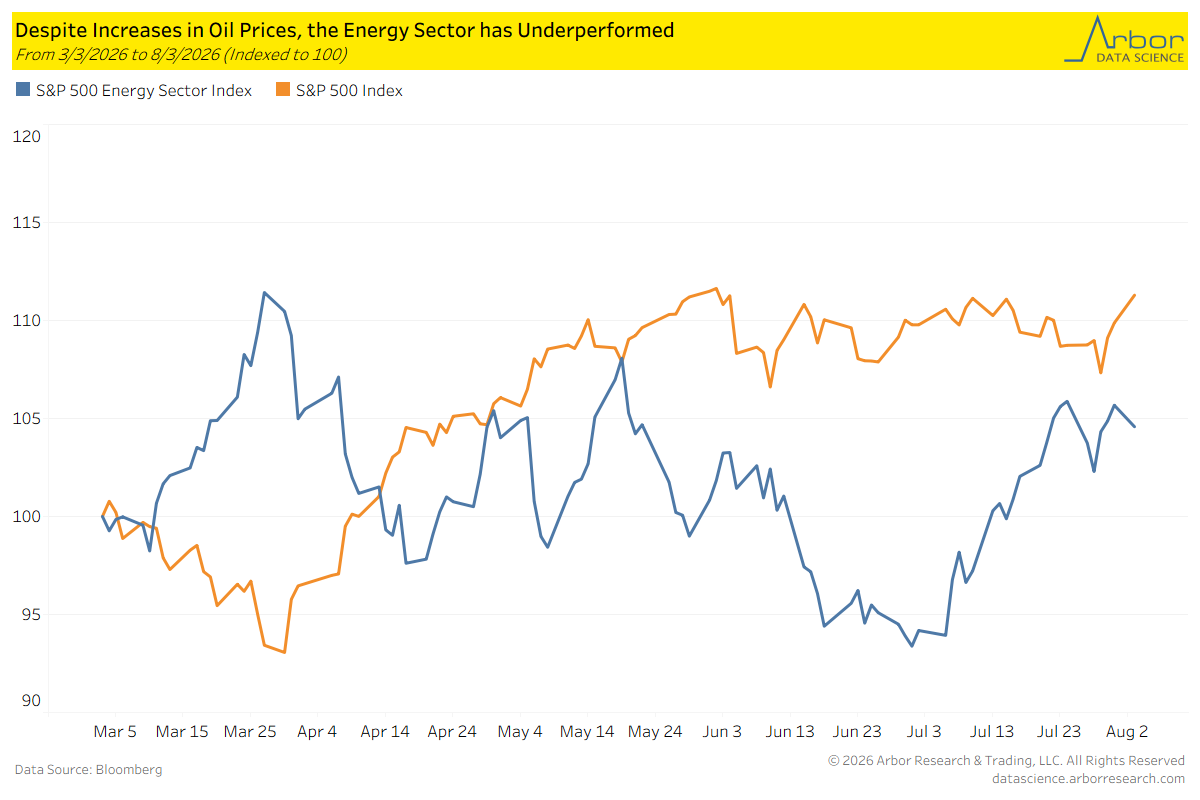
The culmination of this odd set of dynamics has been crude oil prices that remain elevated but energy equity performance that has been lackluster. Unless an investor has the foresight to be overweight energy stocks going into the Iran conflict, there was relatively little time to react and profit. Then the equities underperformed the broader market as it rallied back. Which makes sense. If the conflict is simply a short-term shock, then it should be discounted and the stocks should not move all that much. That logic is beginning to be questioned.
 In the end, the conflict is dragging on and the SPR is running low. The SPR is an important part of mitigating these the market consequences of these conflicts. It is beginning to fade in its relevance and importance as a tool however. It will take a long time to refill, and it is unlikely to begin in the near-term. That is worth paying attention to as the conflict ebbs and (doesn’t) flow.